|
 |
|
|
| |
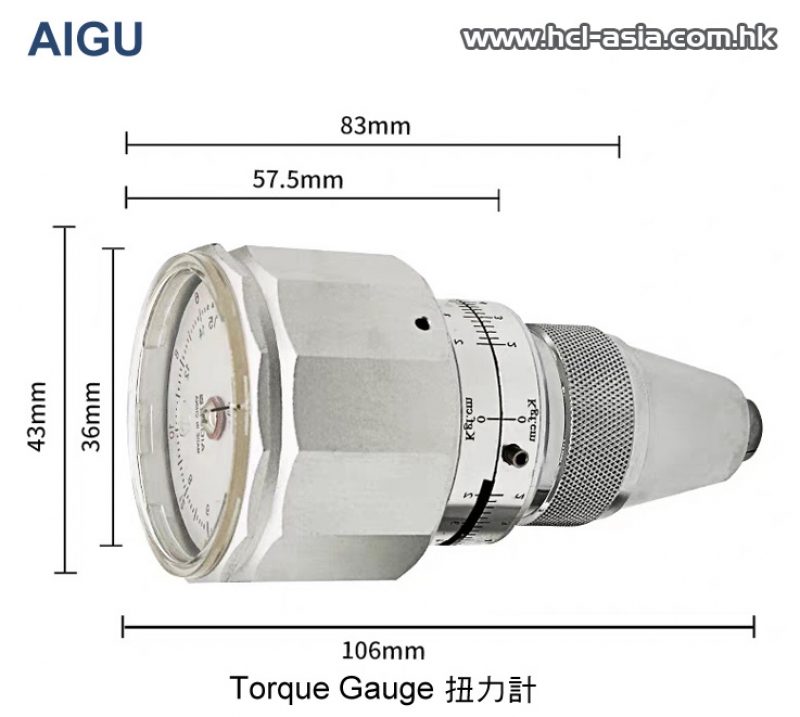
Torque Gauge |
|
| |
Model: |
AIGU |
|
| |
Image: |
   |
|
|
|
| |
| |
| |
Brand: AIGU (China)
Model: 9BTG Torque Gauge
Handheld Torque Gauge (Torque Meter)
A Torque Meter (or Torque Tester) is an instrument used to measure torque/moment, which essentially quantifies the "force that causes an object to rotate." The unit of measurement is kgf·cm.
Key Features of the 9BTG Torque Meter:
- Torque Measurement: Displays tightening force, locking force, opening force, or rotational torque.
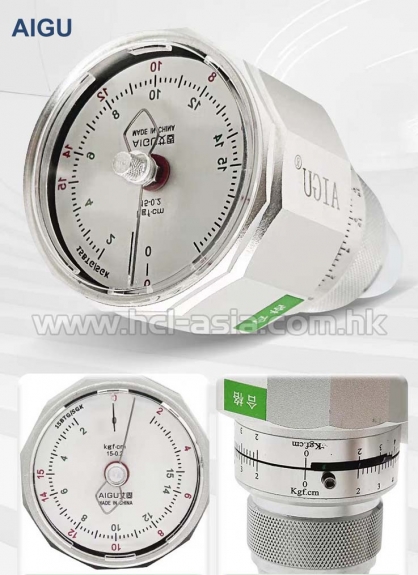
- Torque Range: 1 – 9 kgf·cm.
- Scale Division: 0.1 kgf·cm.
- Clamping Range: 1 – 8.5 mm.
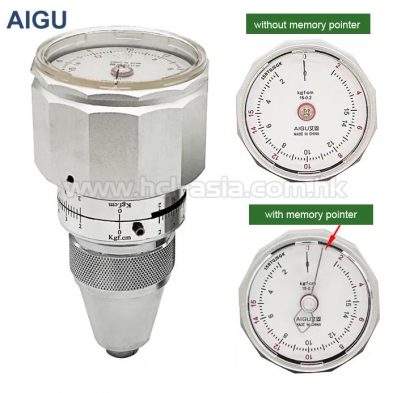
- Memory Pointer*: Available as an optional accessory.
- Bi-directional Indication: Capable of indicating torque in both directions.
- Dual-Scale Design: Features scales on both the front and side faces.
* Memory Pointer Function:
It features a peak memory function. During testing (e.g., twisting a button until it detaches), the indicator stays locked at the maximum force (peak) position. This allows personnel to record the data at their leisure after the test, without needing to constantly watch the dial.
Specific Application Scenarios:
1. Safety and Physical Performance Testing (Core Application)
- Garments, especially those for children and infants, are subject to extremely strict safety standards regarding component detachment (such as GB 6675, ASTM F963, EN 71-1, and other international standards).
- Small Parts Torque Testing: Used to test small components on clothing, such as buttons, snap fasteners, decorative buttons, bows, zipper pulls, pull tabs, and hooks (D-rings).
- Operation: Quality control personnel hook the torque meter's probe onto the small component on the garment and apply rotational force according to the standard (usually at a uniform speed).
- Purpose: To test whether these small components will detach or break after being subjected to a specified torque (e.g., 0.45 N·m). This is to prevent infants from accidentally swallowing detached small parts, which poses a choking hazard.
2. Durability Testing of Functional Components
- Zipper and Velcro Testing: Used to simulate the torsional force exerted on zippers or Velcro during repeated use and twisting, testing the torsional strength and structural integrity of the slider and the tape seam.
- Seam Torque Testing: Inspects the tear resistance of key garment seams (such as the connection between the zipper and the garment body) under torsional stress.
3. Production Line Tool Calibration (Process Control)
- In modern garment manufacturing, many accessories (such as waistband snap buttons, jeans buttons, and T-shirt labels) are attached using high-speed pressing machines.
- Torque Calibration: The downward pressure and rotational force of the pressing machine must be precisely controlled. If the force is too high, it may pierce or damage the fabric; if too low, the buttons may detach easily.
- Function: Quality control personnel or equipment engineers can use this torque meter to periodically calibrate the applied torque of pressing machines and snap button machines, ensuring they are in optimal working condition to guarantee product process stability and consistency.
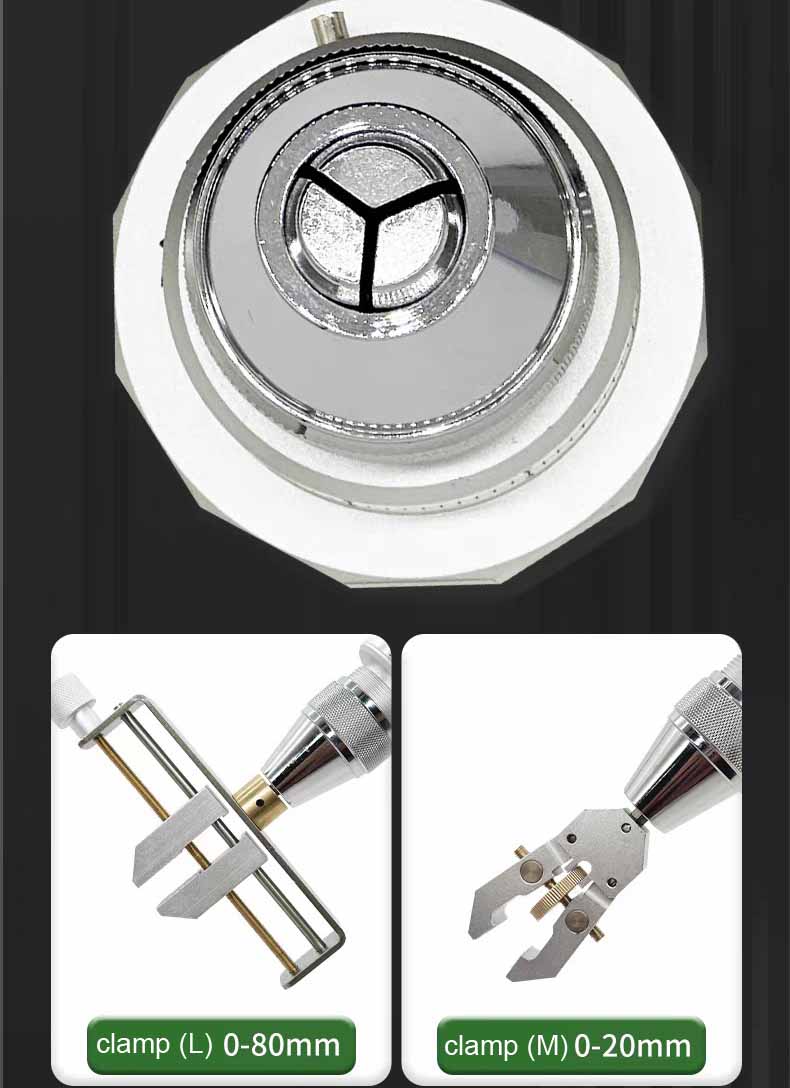
Torque Clamp |
|
| |
|
|
 |